
What Is a Science-Backed Burnout Recovery Program?
Not all burnout programs are created equal. Here's what the research says an effective, science-backed burnout recovery program should actually include.
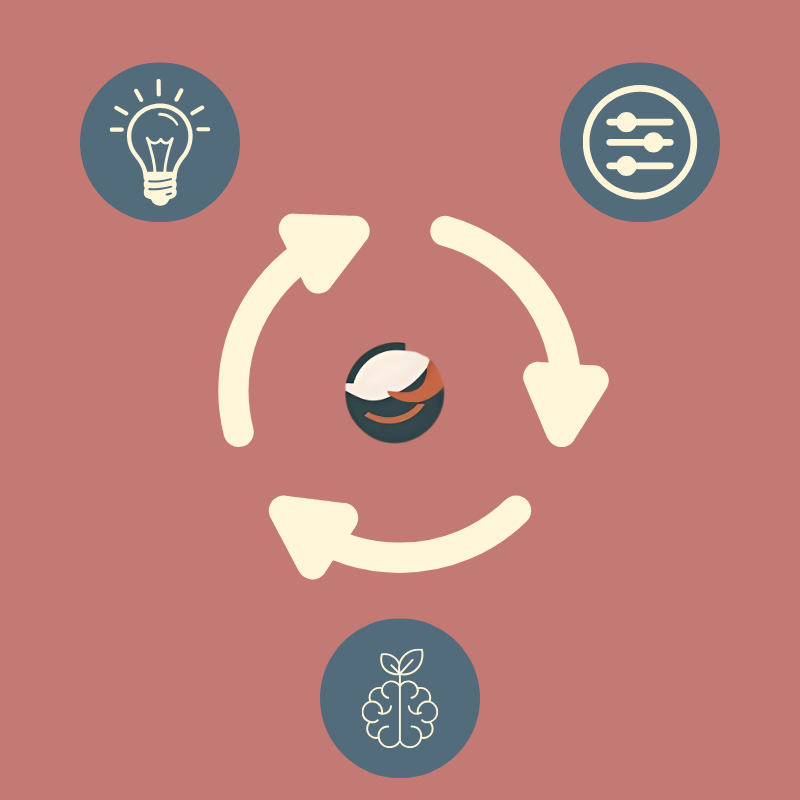
How Long Does Burnout Recovery Take?
Burnout recovery does not follow a straight line. Here's what the research actually says about timelines, and what shapes how long recovery takes.
Emotional Exhaustion at Work
Emotional exhaustion at work is more than feeling tired. It's a specific form of depletion that affects how you regulate, connect, and recover. Here's what the research says.
What Causes Burnout at Work?
Burnout is not caused by working too hard. The science points to something more specific. Understanding the real causes changes how you approach recovery.

Burnout vs. Stress: What's the Difference?
Stress and burnout are often confused, but they require different responses. Understanding the difference is the first step toward the right kind of recovery.

The Six-Month ThriveCycle Curriculum
This post traces the full progression: awareness of breath, management of breath, awareness of somatic response, management of somatic response. It explains why that specific sequence, why the same structure repeats across all six modules, and how each module builds on what came before.
How Habits Are Formed
This post covers the science (BJ Fogg, James Clear, the cue-routine-reward structure), the ThriveCycle habit formula (when X, instead of Y, I will Z), and then uses your BAT/CASEL pathway table to show how the type and focus of each habit is determined by both frameworks together.
Why ThriveCycle Is Built on CASEL
This post explains the five competencies, why the sequence matters (you cannot manage what you cannot first recognise), and how each module is structured: self-awareness in weeks one and two, self-management in weeks three and four. It also includes the three-part logic you sent: BAT tells you where, CASEL tells you what skills, ThriveCycle delivers the habits.
Why ThriveCycle Uses the BAT-4
This post explains the problem with generic burnout interventions, what makes the BAT-4 different, and specifically includes your BAT/CASEL skills pathway table: exhaustion points to nervous system care, mental distance to meaning and purpose, emotional impairment to emotional literacy, cognitive impairment to focus systems.
How to Complete the Stress Cycle
You have probably heard that stress is bad and rest is good. That framing misses something important. The research suggests burnout is less about how much stress you experience and more about what your body does with it once it arrives. Specifically, whether the stress response ever gets to finish. Here is the science, and what actually helps.
What Is the BAT-4 Burnout Assessment?
Burnout is not a clinical diagnosis, and it does not show up on a blood test. For a long time, that made it genuinely hard to measure. The Burnout Assessment Tool changed that. Here is how it works, what it actually measures, and why having a clear picture of where you are matters for recovery.
Signs You're Experiencing Burnout at Work
Most people who are experiencing burnout do not recognise it right away. That is not because they are not paying attention. It is because burnout builds gradually, often in people who are skilled at pushing through discomfort. By the time it becomes undeniable, it has usually been present for months. Here is what to look for.